




Article: Ultimate Cold Plunge Buyer’s Guide: How to Choose the Best Ice Bath for You (2026 Edition)

Ultimate Cold Plunge Buyer’s Guide: How to Choose the Best Ice Bath for You (2026 Edition)
Cold plunging has gone from a niche recovery trick used by pro athletes to something you now see in home gyms, wellness rooms, and backyard patios across the country.
And for good reason.
Cold water immersion is one of the most effective recovery tools available. It helps reduce inflammation, supports muscle recovery, sharpens mental focus, and improves stress resilience.
But as cold plunges have become more popular, the market has exploded with options.
Some cost a couple hundred dollars. Others run well over $10,000.
At first glance they might all look similar — a tub filled with cold water — but the reality is that performance, durability, and long-term usability can vary dramatically between systems.
If you’re thinking about adding a cold plunge to your home or gym, this guide will walk you through everything you should consider before making that investment.
Our goal here isn’t to push a specific product. It’s to help you understand what actually matters so you can choose a system that works for you long-term.
Welcome to the BIOHAC LIFE Cold Plunge Buyer’s Guide for 2026.
Why Cold Plunging Has Become So Popular
Cold exposure has been used for decades in professional sports, physical therapy clinics, and recovery centers.
More recently, it has become a cornerstone practice within the biohacking and longevity communities.
Here are a few of the reasons people are incorporating cold plunges into their routines.
Faster Muscle Recovery
Cold water immersion helps reduce swelling and inflammation after workouts. The cold constricts blood vessels, and when the body warms back up circulation increases, helping flush out metabolic waste.
Reduced Inflammation
Many athletes use cold therapy after intense training to manage inflammation and soreness.
Mental Clarity and Mood Boost
Cold exposure triggers a powerful release of dopamine and norepinephrine, which can increase alertness and elevate mood.
Stress Resilience
Regular cold exposure can improve nervous system resilience and help your body better tolerate stress.
Metabolic Activation
Cold exposure activates brown fat, which plays a role in metabolism and thermoregulation.
Because of these benefits, cold plunging is often paired with other recovery technologies like:
-
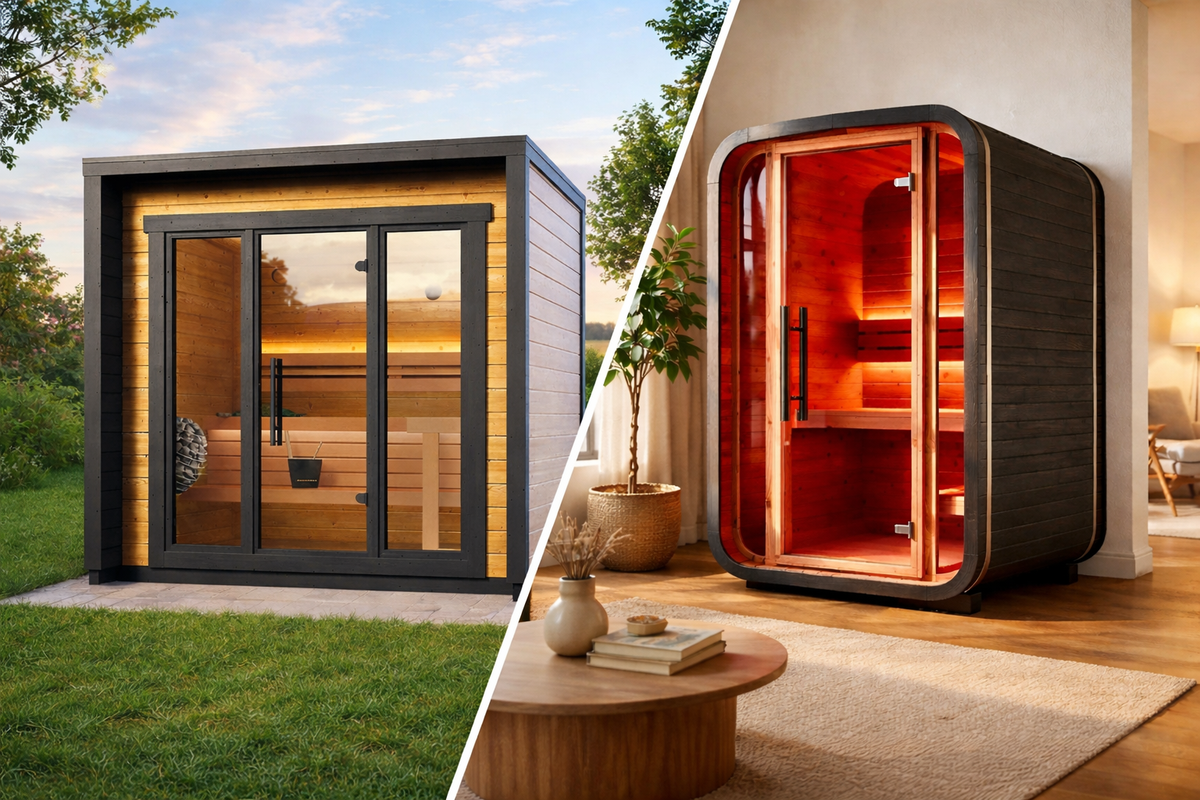
Infrared saunas
-
Red light therapy
-
Hyperbaric oxygen therapy
-
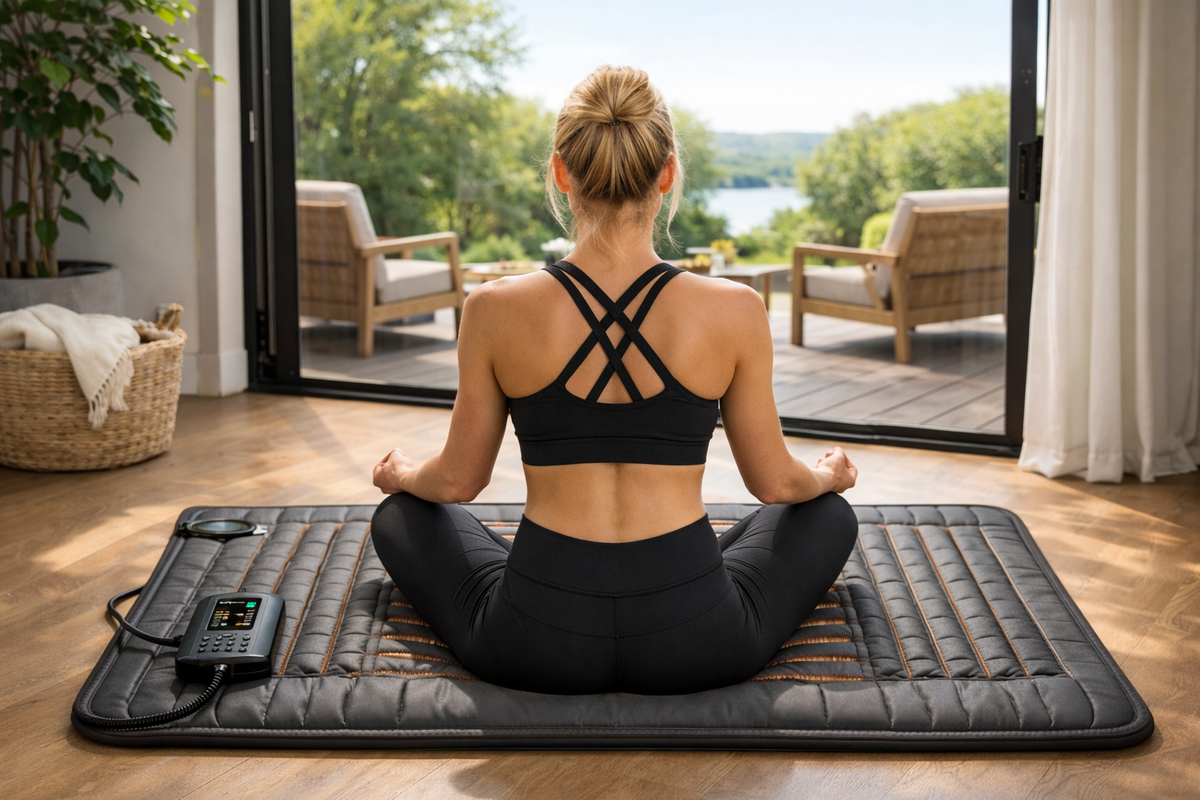
PEMF therapy
Together, these modalities form the foundation of modern home recovery systems.
The Different Types of Cold Plunge Tubs
One of the first things you’ll notice when shopping for a cold plunge is that there are several different types available.
Each one serves a different purpose depending on budget, frequency of use, and installation plans.
Inflatable Cold Plunge Tubs


Inflatable tubs are typically where most people start.
They’re portable, relatively inexpensive, and easy to set up.
Pros
-
Affordable entry point
-
Portable and easy to move
-
Simple setup
-
Good for testing cold therapy
Cons
-
Lower durability
-
Limited insulation
-
Often require bags of ice
-
Not ideal for permanent installs
Best For
People who want to experiment with cold therapy before investing in a larger system.
Hard-Shell Cold Plunge Tubs
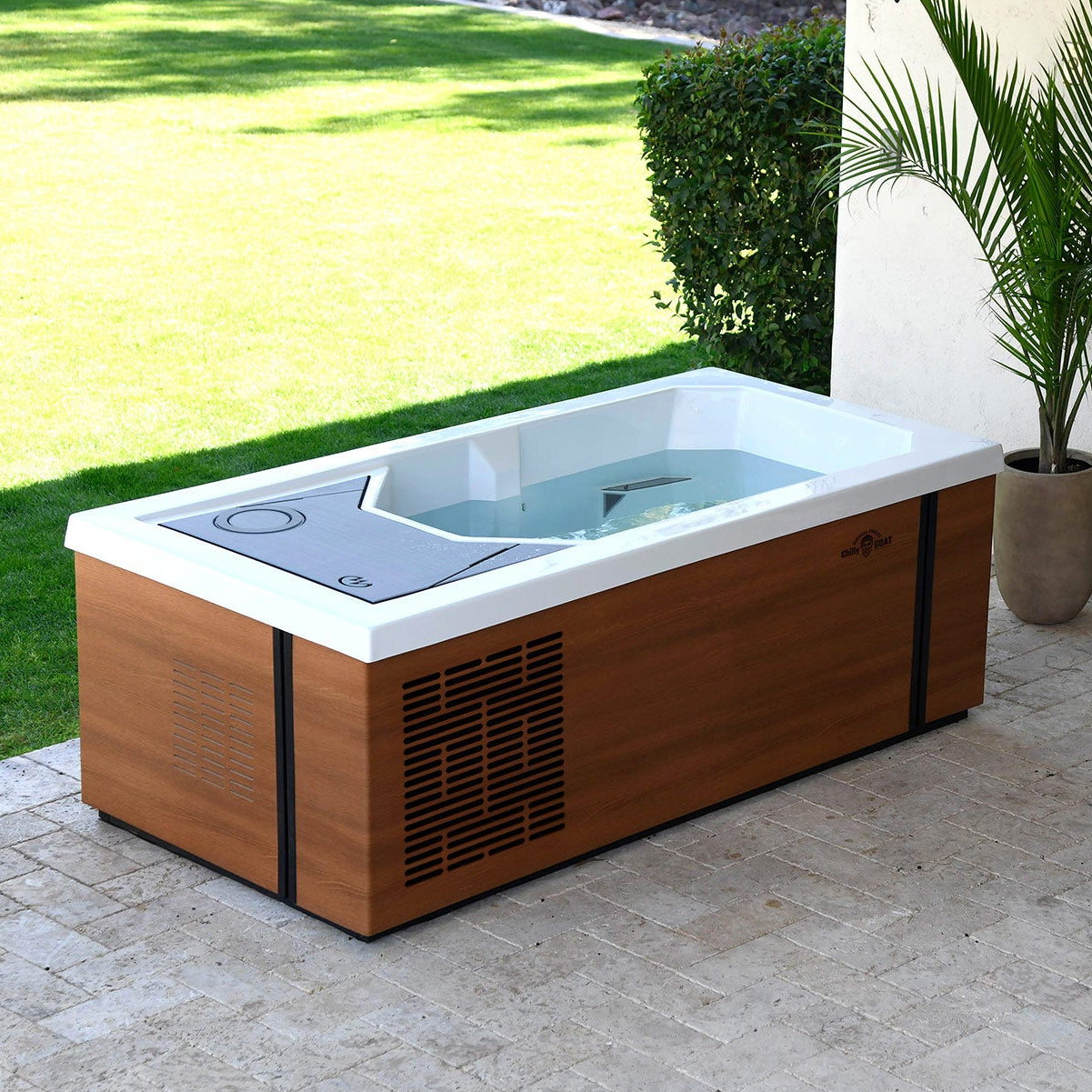
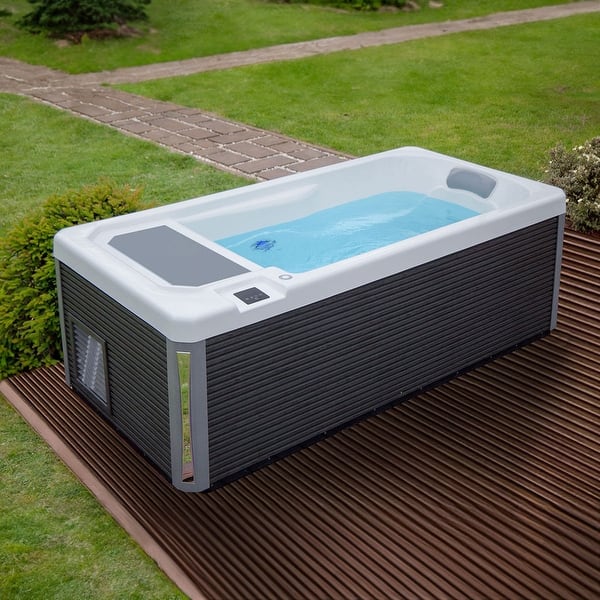
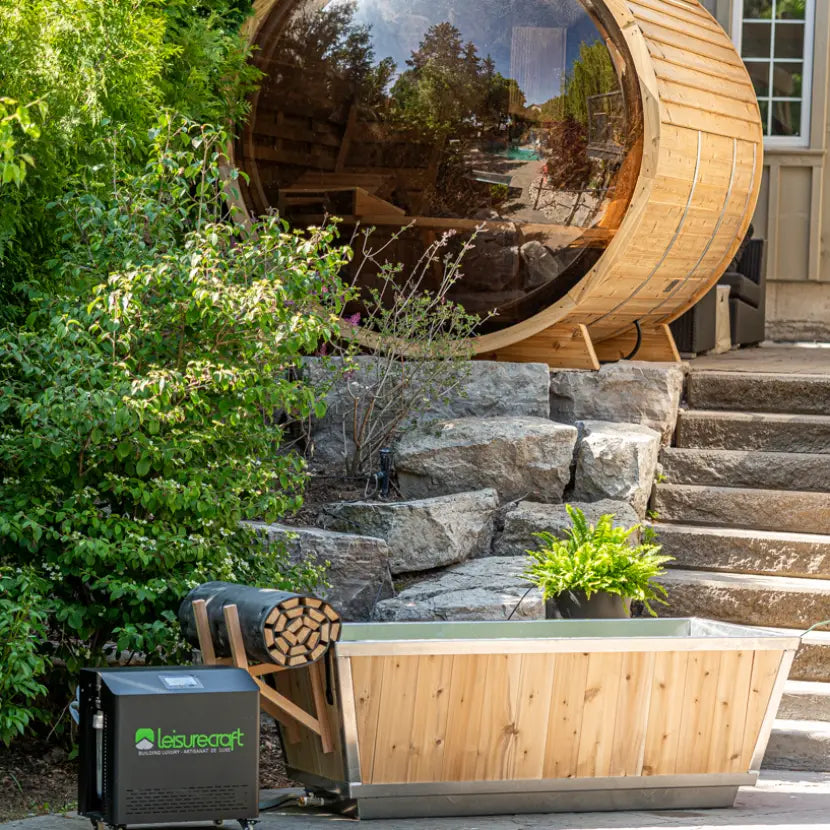
Hard-shell plunges are the most common choice for homeowners.
They resemble compact spa tubs and often include integrated chillers and filtration systems.
Pros
-
Durable construction
-
Better insulation
-
Cleaner aesthetic
-
Often include filtration and chilling systems
Cons
-
Higher cost
-
Heavy and less portable
-
Requires electrical access
Best For
People who plan to use cold therapy regularly.
Stainless Steel Cold Plunges


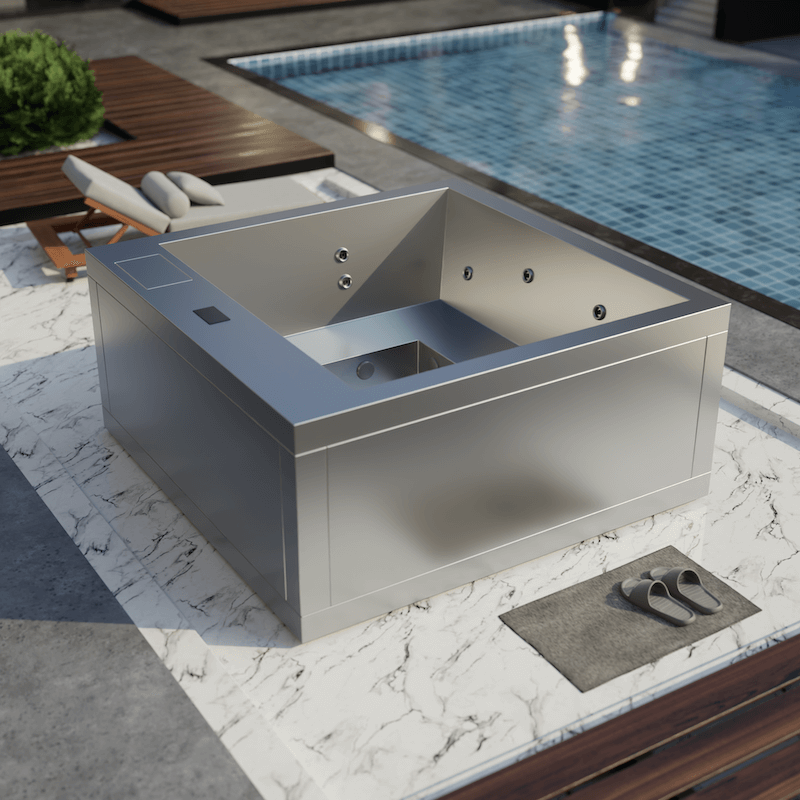
These are commonly seen in commercial wellness centers or luxury home recovery rooms.
Pros
-
Extremely durable
-
Easy to sanitize
-
Professional spa aesthetic
Cons
-
Expensive
-
Heavy
-
Usually requires external chillers
Best For
High-end wellness installations or commercial environments.
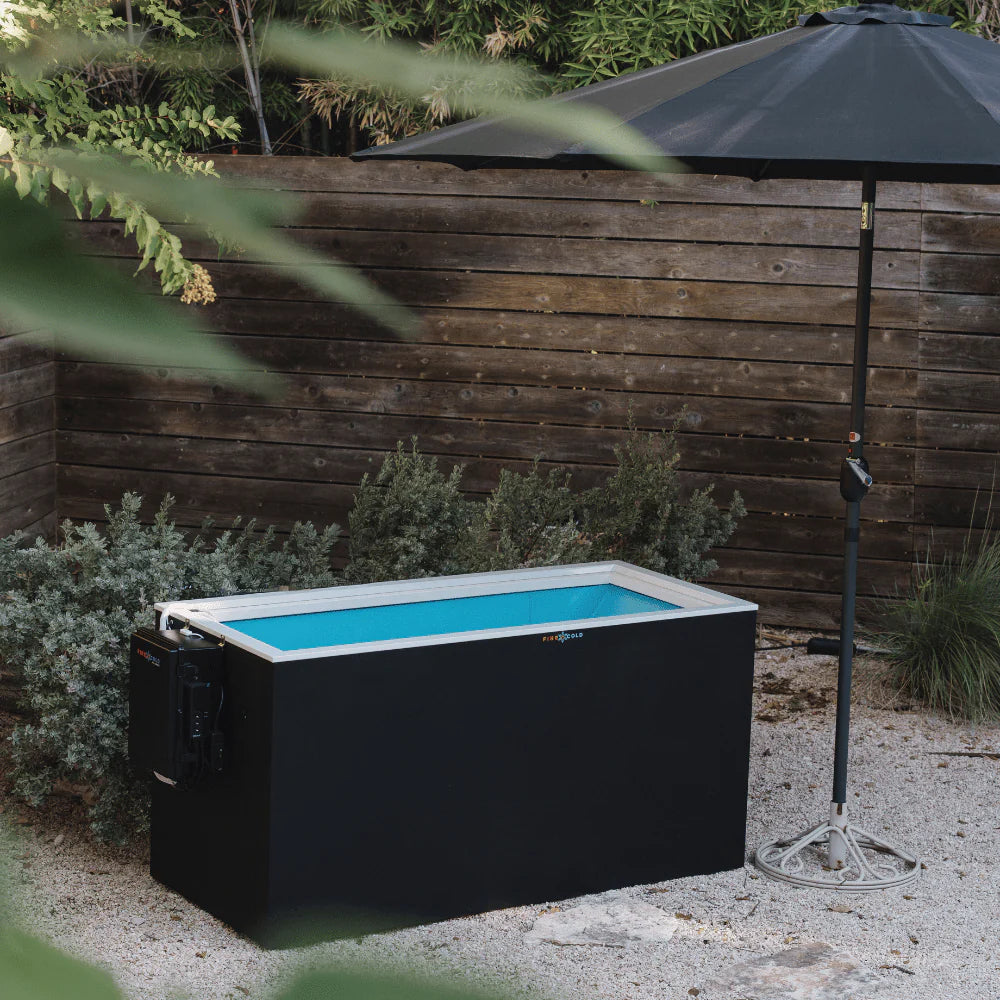
DIY Stock Tank Cold Plunge
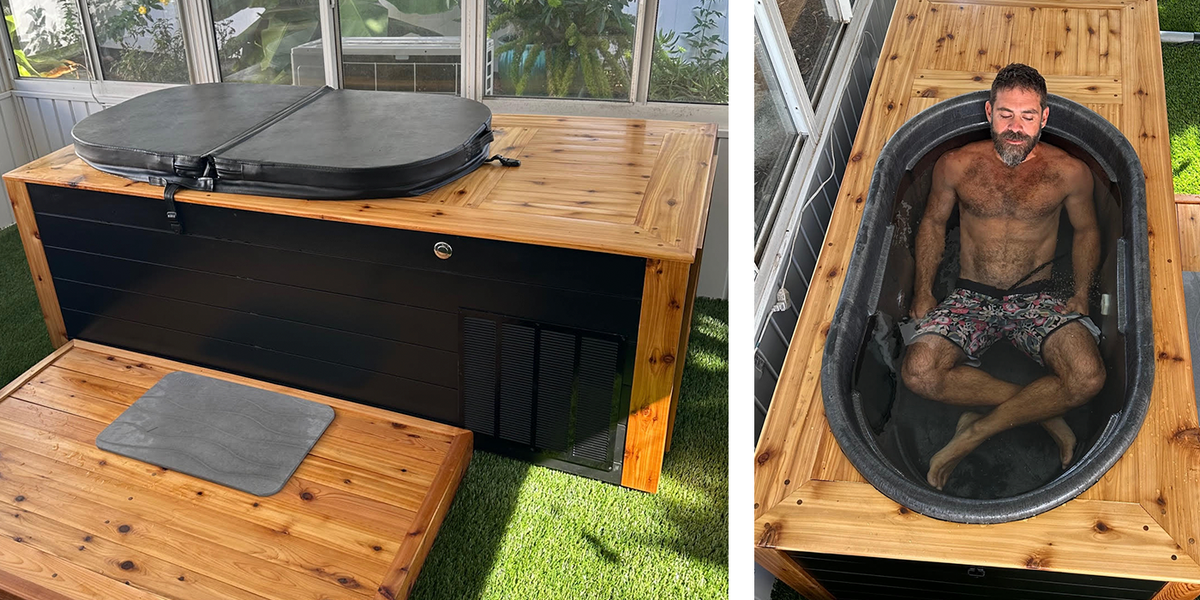


The DIY stock tank setup has become popular among early biohacking enthusiasts.
Pros
-
Very affordable
-
Highly customizable
-
Durable metal construction
Cons
-
Minimal insulation
-
Requires manual ice or DIY chiller
-
Limited filtration
Best For
DIY users or budget setups.
The Three Features That Actually Matter
A lot of brands focus on marketing or aesthetics.
But when it comes to long-term performance, three things matter most.
1. Chiller Capacity
The chiller is what keeps your water cold.
Without one, you’ll be relying on bags of ice — which quickly becomes inconvenient and expensive.
Most residential systems use chillers between:
-
1/4 HP
-
1/2 HP
-
1 HP
Larger chillers cool faster and maintain temperature more consistently, especially in warm climates.
2. Filtration and Sanitation
Standing water can become dirty quickly.
Quality plunge systems include both mechanical filtration and sanitation systems.
Common sanitation methods include:
-
Ozone purification
-
UV sterilization
These systems help keep the water clean and reduce how often you need to change it.
3. Insulation and Lid Quality
Good insulation keeps the water cold and reduces how hard the chiller has to work.
Look for systems that include:
-
insulated shells
-
thermal covers
-
tight-sealing lids
Poor insulation means higher energy costs and less temperature stability.
Installation Considerations Most Buyers Overlook
Cold plunges aren’t complicated, but there are a few practical things to consider before installing one.
Indoor Installation
Pros:
-
Controlled temperature environment
-
Year-round usability
Considerations:
-
Drainage access
-
Floor weight capacity
-
Humidity management
Outdoor Installation
Pros:
-
Easier drainage
-
Flexible placement
Considerations:
-
Sun exposure
-
Weather protection
-
Seasonal temperature changes
Weight
A filled plunge tub can weigh 600–1,200 pounds, so make sure the installation surface can handle it.
What Does a Cold Plunge Actually Cost?
A lot of buyers focus only on the purchase price.
But long-term costs matter too.
| Type | Initial Cost | Long-Term Cost |
|---|---|---|
| DIY / Inflatable | $100–$800 | Ice and frequent water changes |
| Mid-range plunge | $3,000–$6,000 | Moderate operating cost |
| Premium plunge | $6,000–$12,000 | Lower maintenance and consistent use |
One hidden cost people often underestimate is ice.
A typical plunge can require 40–80 pounds of ice per session.
For frequent users, that can add up to thousands of dollars over time, which is why many people eventually upgrade to a chiller system.
Cold Plunge + Sauna: Why Contrast Therapy Works So Well
Many recovery spaces combine cold plunges with saunas.
This practice is called contrast therapy.
Heat exposure causes blood vessels to expand, increasing circulation.
Cold exposure constricts blood vessels and reduces inflammation.
Alternating between the two creates a powerful circulation effect that supports recovery.
A Simple Contrast Therapy Protocol
-
Sauna for 10–15 minutes
-
Cold plunge for 2–4 minutes
-
Rest for a few minutes
Repeat this cycle 3–4 times.
This combination can support:
-
faster recovery
-
improved circulation
-
stress resilience
How BIOHAC LIFE Helps People Choose the Right Equipment
One of the biggest problems in the cold plunge industry is that buyers are often forced to sort through dozens of brands with very little technical guidance.
Many stores operate like warehouses, listing products without explaining how they differ.
BIOHAC LIFE takes a different approach.
Instead of overwhelming customers with endless options, the focus is on curation and education.
Every product category is evaluated around a few key criteria:
-
engineering quality
-
cooling performance
-
sanitation systems
-
durability
-
everyday usability
The goal is simple.
Help people invest in equipment that will perform reliably for years — not just look good online.
Cold therapy can become a powerful part of a health and recovery routine, but choosing the right system from the beginning makes all the difference.
Final Thoughts
Cold plunging has quickly become one of the most powerful tools in modern recovery and longevity routines.
But the best cold plunge isn’t always the most expensive one.
The right system depends on:
-
how often you plan to use it
-
your available space
-
your climate
-
how much maintenance you want to manage
For some people, a simple setup works perfectly.
For others, investing in a high-quality plunge with proper cooling and filtration can provide years of reliable performance.
If you're considering adding cold therapy to your home, the key is choosing a system built for consistency, durability, and real daily use.
That’s exactly what BIOHAC LIFE aims to help people do.